An illustrative collage connecting Korean architecture, archival textures, landscape, and community memory.

A living archive for Korean heritage

Preserving heritage. Inspiring hope.

We identify, study, and preserve the places, records, and memories of Korean communities—and connect them with life today through preservation and education.

Welcome

The places that hold Korean memories also tell stories of belonging.

Our work begins in the Americas and reaches toward a global future, treating Korean diaspora heritage as part of the shared history of every community where it took root.

Learn more

One mission

Four connected fields of work

01

Preservation

Caring for the places that connect us.

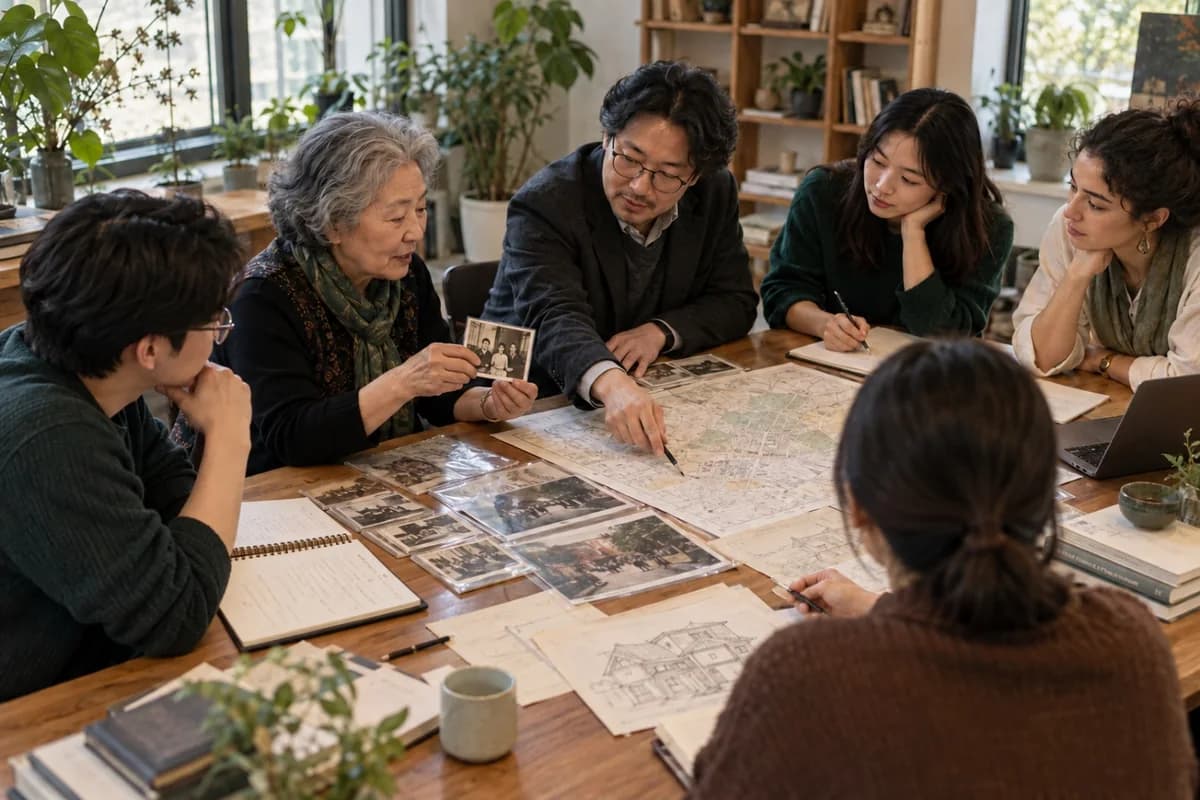
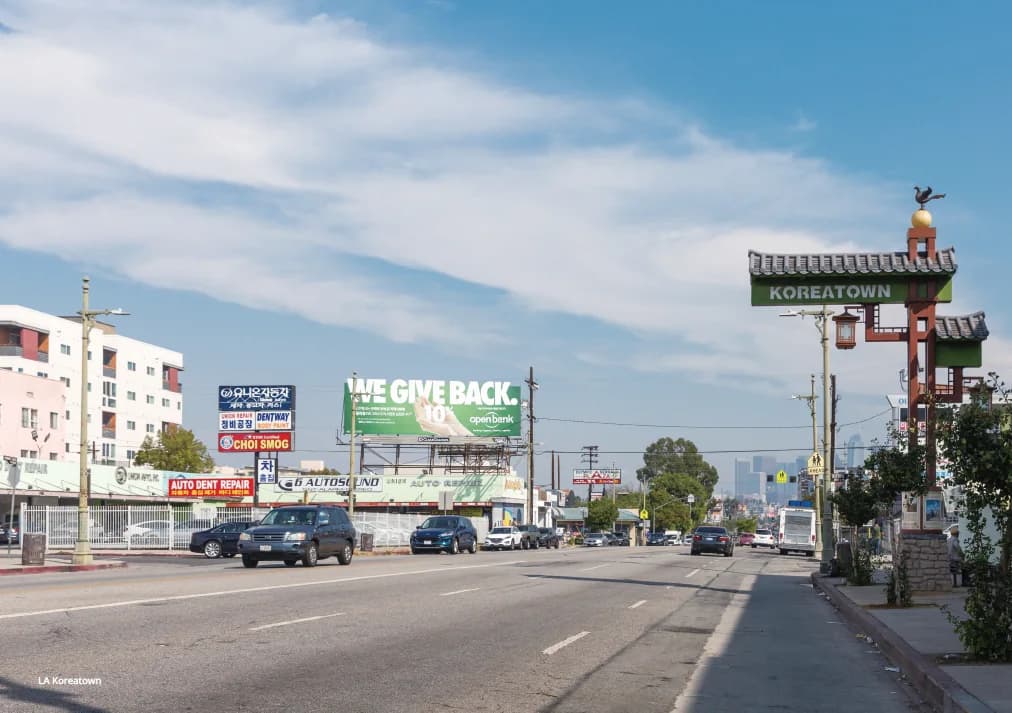
From immigrant gathering places to sites of Korea’s independence movement, historic places hold stories that connect people across generations and borders. HOKF works with owners, specialists, and local communities to identify significant places and develop thoughtful approaches to their preservation and continued use. We approach Korean American heritage as shared heritage—part of both the Korean diaspora’s experience and the history of the communities where it took root.
02

Research

Finding the stories. Building the evidence.

A building, a photograph, or a personal recollection can open a new understanding of the past. HOKF brings archival research, field documentation, and oral history together to explore Korean migration, independence efforts, and community life. We ground interpretation in verifiable evidence while respecting the perspectives of those who hold these memories. This research provides a foundation for preservation decisions, public understanding, and future scholarship.

03

Education

Making heritage part of learning—and life.

Heritage becomes meaningful when people can encounter it, ask questions, and connect it with their own lives. HOKF develops opportunities for learning through historic places, exhibitions, stories, and educational resources. Working with educators and cultural institutions, we aim to make Korean American history accessible to learners of different ages and backgrounds. We invite the next generation to explore their roots and discover how these experiences belong within a broader, shared history.

04

Community

An open platform for shared work.

The future of heritage depends on the people who care for it. HOKF brings together community members, preservation professionals, researchers, educators, and institutions to exchange knowledge and turn ideas into collaborative projects. We aspire to be an open platform where the talents of the Korean diaspora and partners across communities can meet. Whether you bring a family archive, professional expertise, or a commitment to a place, there is a role for you.

Looking ahead

Three priorities guiding our work in 2027

01

Documenting Korean Heritage at Rosedale

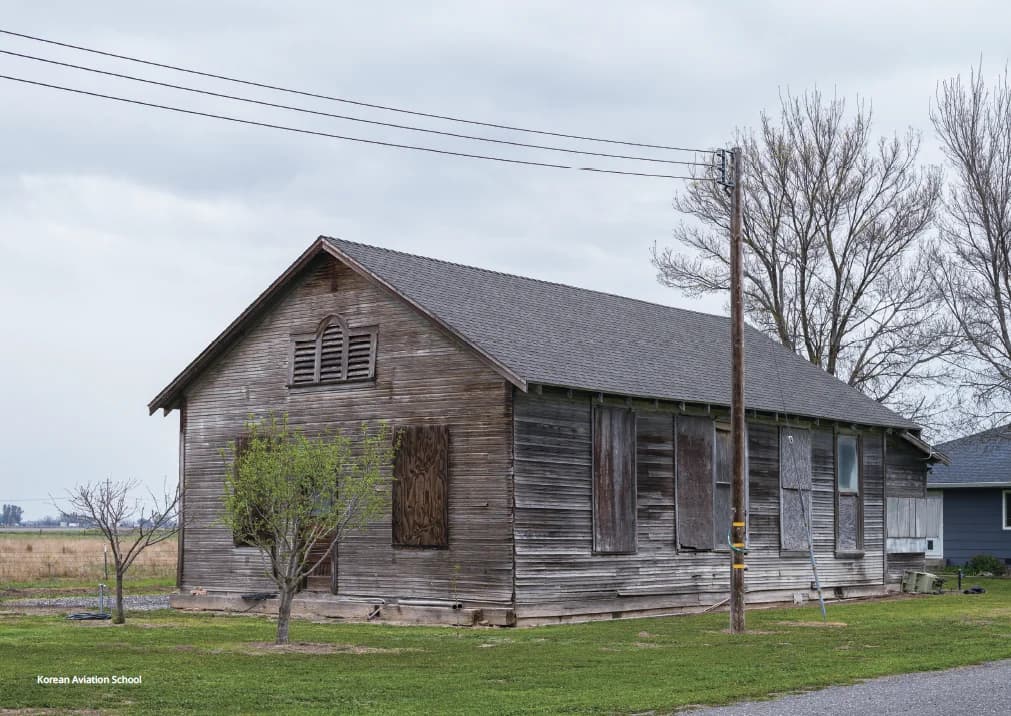
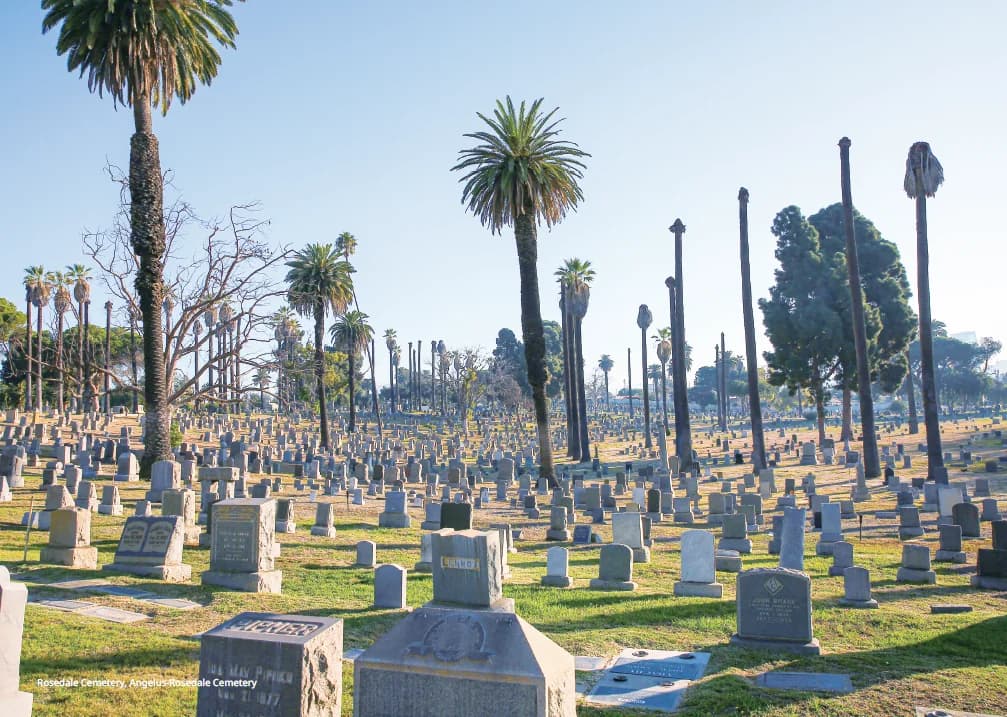
Angelus-Rosedale Cemetery in Los Angeles holds important traces of the early Korean diaspora. The lives commemorated there connect immigration and settlement in the United States with community organizing, education, and support for Korean independence. They also include individuals associated with the Korean aviation school established at Willows, California, in 1920. Our 2027 priority is to research and document Korean American graves and their associated histories, connecting burial places with archival records and individual stories. By placing these lives within the broader history of the Korean diaspora, we aim to build a foundation for preservation, remembrance, and education.

02

Creating Korean Garden–Inspired Spaces

Japanese and Chinese gardens demonstrate how landscape traditions can become lasting settings for cultural learning, reflection, and exchange. This initiative seeks to create further opportunities for Korean communities and the wider public to experience Korean garden traditions and their relationship with nature, architecture, and everyday life. As a long-term undertaking, we will explore partnerships and opportunities to support spaces inspired by Korean garden principles. Our vision is to create welcoming places where people can gather, encounter Korean culture, and develop connections across generations and communities. Specific sites, settings, and implementation plans have yet to be determined.

03

Mapping Korean Heritage Worldwide

Heritage Map is an ongoing effort to document and connect Korean historic places across the diaspora. By bringing together locations, historical accounts, archival materials, and stories of individuals and communities, it seeks to make dispersed heritage easier to discover and understand. Our goal for 2027 is to complete the initial Americas database. We will continue to update and refine these records as new information becomes available, then expand coverage to other countries and continents. Over the long term, we envision Heritage Map as a growing public resource supporting research, education, preservation, and connections among Korean diaspora communities worldwide.

Leadership

Experience across preservation, scholarship, education, and storytelling.

Our board brings together people whose work connects cultural heritage with public life across Korea and the United States.

  • President

    Jong Hyun Lim, Ph.D.

  • Secretary General

    Christina Park

  • Board Member

    Im San Kang

  • Board Member

    Jung Eun Hong

  • Board Member

    Sang Hoon Shim

  • Board Member

    Clara Won

  • Board Member

    Grant Hyun

  • Board Member

    Jong Soo Han

  • Board Member

    Soon Young Chung

An open platform

Records, memories, expertise, and enthusiasm give this work its strength.

We invite heritage institutions, practitioners, researchers, educators, and local communities to build lasting partnerships across borders.

Connect